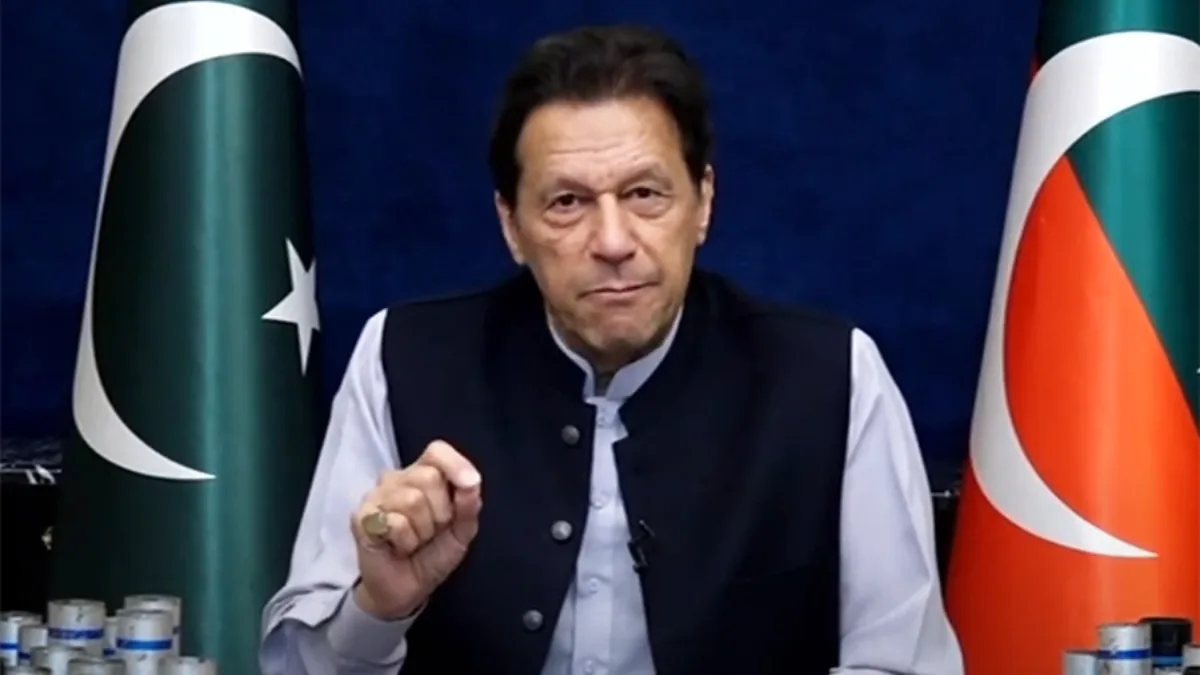
The Pakistan Supreme Court’s order to move Imran Khan from prison to a hospital is about much more than the health of a former prime minister.
The Pakistan Supreme Court’s order to move Imran Khan from prison to a hospital is about much more than the health of a former prime minister. It raises a larger question about whether Pakistan’s institutions can uphold basic constitutional obligations when the prisoner involved remains one of the country’s most powerful political symbols.
Khan has been behind bars since 2023, convicted in cases he says were designed to remove him from politics. His supporters have repeatedly alleged that his treatment in custody has been punitive. The state, for its part, has insisted that he is being treated according to law. The latest intervention suggests that Pakistan’s highest court is not prepared to leave the question of his medical care entirely to prison authorities. That distinction matters. A court ordering hospitalisation does not establish that Khan has been deliberately deprived of medical treatment. Nor does it invalidate the convictions against him.
But it does indicate that the safeguards surrounding his health have become sufficiently contentious for judicial intervention to be considered necessary. The concern is particularly serious because the dispute involves his eyesight. Khan’s lawyers have alleged severe deterioration in his right eye and inadequate access to specialist treatment. Medical assessments have produced more complicated findings, including reports of improvement. The conflicting claims make one thing clear: a politically neutral, specialist medical assessment is essential. The answer cannot be determined by either Khan’s political camp or government officials.
That is precisely why the Supreme Court’s intervention is important. A prisoner does not surrender his right to humane treatment by losing his political freedom. If anything, custody increases the state’s responsibility because the prisoner cannot independently arrange his own medical care. This principle must apply to Khan irrespective of whether one regards him as a victim of political persecution or as a politician properly held accountable by the courts. The order also provides for weekly family meetings and telephone contact with his sons.
That is a reminder that imprisonment is a restriction of liberty, not a licence for unnecessary isolation. Restrictions may be justified on security grounds, but they should be proportionate, transparent and subject to scrutiny. There is an additional irony. Khan’s supporters have been warned against turning his hospitalisation into a political gathering. That is a reasonable precaution. A hospital should not become another stage for confrontation between the state and the Pakistan Tehreek-e-Insaf. But neither should security concerns become an excuse for keeping a politically inconvenient prisoner beyond meaningful public and judicial scrutiny.
The government’s response will now matter enormously. If it accepts the principle of independent medical supervision while contesting only practical details, the dispute can remain institutional. If it attempts to dilute the court’s intervention, the issue will become larger: whether Pakistan’s judiciary can impose meaningful limits on executive power in a case involving the country’s most consequential political prisoner. The strongest state is not the one that can imprison its most formidable opponent. It is the one that can demonstrate that the law operates above politics.
Article from: https://www.thestatesman.com/opinion/the-khan-question-1503629690.html